

 1300 818 622



Understanding the psychological triggers that drive gambling behavior
The Allure of Risk and Uncertainty
One of the most compelling psychological triggers behind gambling behavior is the thrill of risk and uncertainty. The unpredictability of gambling outcomes evokes excitement, creating a dopamine rush that many find irresistible. For instance, when a player spins a slot machine, they are not just engaging in a game; they are partaking in a psychological experience where every result holds the potential for both reward and loss. This tension can heighten the stakes and amplify the emotional intensity of the activity, especially when exploring betting sites not on gamstop offers that entice players with various rewards.
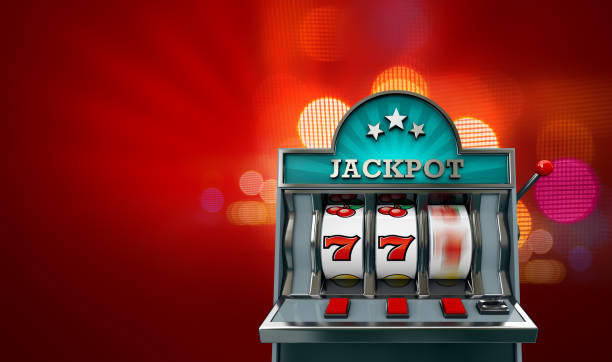
Moreover, the element of chance fosters a sense of control. Many gamblers believe that they can influence the outcome based on strategies or “lucky” rituals, which can make the experience more engaging. This illusion of control can further fuel gambling behavior, as individuals are drawn to the idea that their decisions may lead to success, even when the odds are stacked against them.
This unique blend of risk and perceived control creates an environment that is particularly appealing to many. It’s not merely about winning money; it’s about experiencing the thrill of the unknown. This psychological draw is what keeps players returning to the tables or machines, often at the cost of their financial stability or emotional well-being.
The Role of Social Influence
Social dynamics play a significant role in driving gambling behavior. The influence of peers can magnify the thrill associated with gambling, leading individuals to take risks they might not usually consider. Social gambling events, like poker nights or trips to casinos, foster a sense of community and shared experience, making the act of gambling more appealing. The validation received from peers can encourage more frequent gambling and greater financial stakes.
Additionally, the rise of social media and online gaming platforms has transformed how people engage with gambling. Gamers can share their experiences and wins, creating an environment where gambling becomes not just an individual pursuit but a social phenomenon. As individuals witness friends celebrating their successes, they may feel compelled to participate in the hopes of replicating similar experiences, amplifying their own gambling activities.
Furthermore, the narratives around gambling often emphasize tales of big winners, contributing to a culture that glorifies risk-taking. This can lead to the normalization of gambling behavior, making it an expected part of social interactions. The reinforcement from social circles can thus create a cyclical pattern where the individual feels pressured to keep up with or exceed the gambling habits of their peers.
The Impact of Emotional States
Emotions heavily influence gambling behavior, serving as both a trigger and a coping mechanism. Many individuals turn to gambling as a way to escape negative emotions such as stress, anxiety, or depression. The transient highs associated with winning can temporarily alleviate feelings of sadness or dissatisfaction, reinforcing the desire to gamble as a method of emotional regulation.
Conversely, when people experience losses, they may engage in more gambling as a way to recoup their losses, a phenomenon known as “chasing losses.” This behavior is fueled by cognitive biases, where individuals may rationalize their gambling decisions despite ongoing financial setbacks. The emotional rollercoaster that gambling offers can create a dangerously addictive cycle, where the highs and lows become increasingly extreme over time.
The intertwining of gambling with emotional health underscores the need for awareness and support for those at risk. Understanding the psychological triggers behind these behaviors can help individuals recognize when they may be gambling as a way to cope with emotions rather than as a form of entertainment. Such insight can foster healthier decision-making processes and encourage seeking professional help when necessary.
The Psychological Concept of Variable Reinforcement
Variable reinforcement is a key concept that explains why gambling can become so addictive. In this scenario, rewards are delivered at unpredictable intervals, making each gambling session feel different from the last. This unpredictability keeps players engaged, as they continuously chase the next win, not knowing when it might occur. Slot machines, for example, utilize this principle by providing intermittent payouts that are irregular, leading players to remain captivated by the possibility of hitting a jackpot.
This form of reinforcement is deeply rooted in human psychology. It triggers the brain’s reward center, releasing dopamine each time a player wins, even if it’s a small amount. Over time, players develop a conditioned response to these rewards, leading to compulsive behaviors where the anticipation and excitement become more rewarding than the actual wins themselves. This cycle can lead to problematic gambling habits, as individuals often find it hard to walk away from the excitement.
Understanding the impact of variable reinforcement is crucial for both gamblers and those supporting them. Awareness of this psychological trigger can help individuals recognize when their gambling habits may be influenced more by the thrill of potential rewards than by rational decision-making. This understanding can promote healthier gambling practices and encourage responsible behaviors.

Resources and Tools for Gamblers
For those interested in understanding their gambling behaviors better, various resources and tools are available. Many organizations offer educational materials designed to help individuals recognize the psychological triggers that may be influencing their gambling patterns. These resources often include self-assessment tools, which can provide insights into one’s gambling behavior and its potential impact on emotional well-being.
Additionally, support groups and counseling services are crucial for those seeking to change their relationship with gambling. Professional guidance can provide strategies for managing cravings and developing healthier coping mechanisms. Many therapists specialize in behavioral addictions, focusing on the underlying emotional and psychological issues that drive compulsive gambling behavior.
Moreover, online platforms often feature features aimed at promoting responsible gambling. Tools such as setting limits on spending or time can empower individuals to take control of their gambling activities. These features not only help manage gambling behaviors but also foster a sense of responsibility, encouraging individuals to gamble in a way that aligns with their personal values and financial goals.